

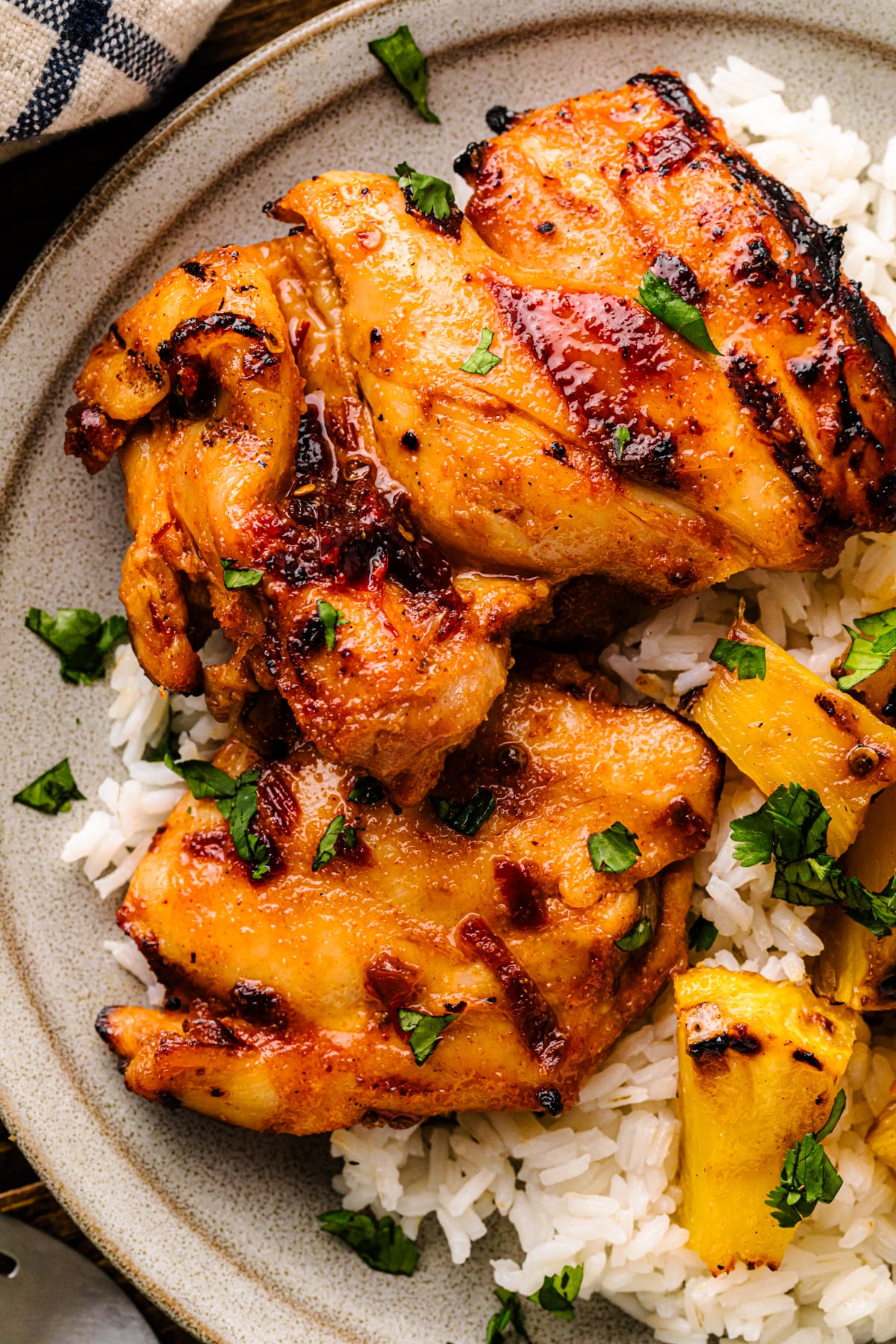
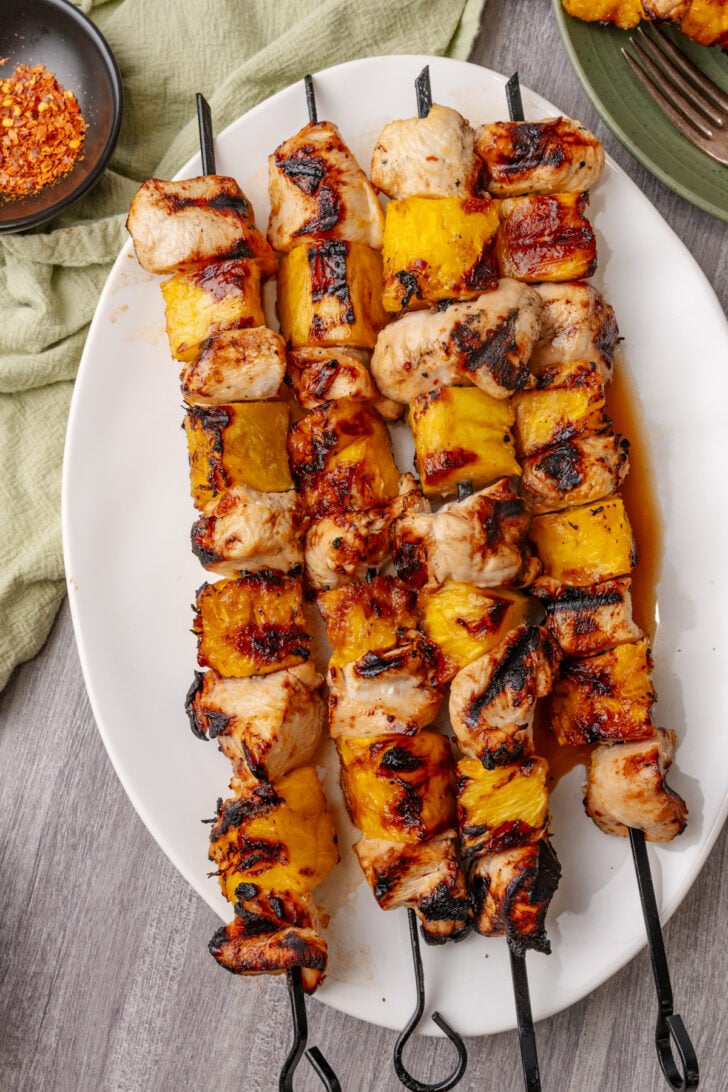
The Summer I Got Grilled Chicken Right

Grilled chicken sounds simple. And it is — once you know what you are doing. But most of us have pulled a dry, tough piece of chicken off the grill more times than we care to count. Y’all, I have been there. It looks perfect on the outside, and then you cut into it and reach for the sauce.
After years of grilling — and I mean every cut, every summer — I figured out that great grilled chicken comes down to a handful of techniques. Not fancy equipment. Not expensive marinades. Just the right approach for the cut you are working with.
Whether you are grilling juicy chicken breasts for a weeknight dinner, smoky thighs for a cookout crowd, fall-off-the-bone legs for a lazy Sunday, or skewers for your next backyard gathering — this guide covers all of it. These are the same techniques I use every single time.
Let’s cook!

Before You Fire Up the Grill — Read This First
Pound breasts to an even thickness: Chicken breasts are thick on one end and thin on the other — that uneven shape is why the thin end overcooks before the center is done. A zip-top bag and a meat mallet fix that in under two minutes. Even thickness means even cooking, every time.
Thighs are your most forgiving cut: Higher fat content means thighs stay juicy even if you run a little past temperature. Bold marinades, direct heat, no pounding needed.
Legs and drumsticks need a two-zone fire: Set up one side of your grill for direct heat and the other for indirect heat. Sear for color, then move to the cooler side to finish without burning.
Skewers are all about even cuts: Different-sized pieces cook at different rates. Cut everything into uniform chunks, soak wooden skewers for 30 minutes, and turn often for an even cook on all sides.
Use an instant-read thermometer every time: Pull breasts and thighs at 150 degrees, legs at 155 degrees, and let them rest. Carryover cooking handles the rest.
Rest before you slice: Five minutes under a loose foil tent keeps all those juices inside the chicken where they belong.
Everything You Need — Nothing You Don’t
Your cut of choice — Boneless skinless chicken breasts benefit most from pounding and a brine. Thighs are naturally rich and need very little fuss. Legs are a low-and-slow crowd favorite. Skewers are endlessly flexible for entertaining.
•A meat mallet, rolling pin, or heavy skillet — Essential for breasts. Everything else can go straight to the marinade.
•Zip-top bags — One for pounding, one for marinating. Cleaner and easier every time.
•Kosher salt — For brining or dry-brining. Seasons every layer of the meat and helps it hold moisture on the grill.
•A reliable instant-read thermometer — Not optional. Pull at the right temperature and rest. That is the whole secret.
•Your favorite marinade or seasoning — A simple olive oil and lemon marinade is my go-to for breasts. Bold and spicy works beautifully on thighs. Legs love a sticky, sweet-and-smoky BBQ glaze. Skewers do well with something bright and herby.
Cut-by-Cut Guide
Chicken Legs and Drumsticks
Low and slow is the move for legs. Sear over direct heat for color, then move to the indirect side to cook through without burning. They take longer than breasts or thighs, and rushing them over high heat the whole time leaves the outside charred before the center is done. A sticky BBQ glaze brushed on in the last few minutes is all they need.
Grilled BBQ Chicken Legs

Chicken Breasts
The trickiest cut — but only if you skip the prep step. Pound to even thickness, brine or marinate, grill over medium-high heat, and pull at 150 degrees. Rest for five minutes before slicing. That single approach is what separates dry grilled chicken from juicy, golden perfection.
Easy Grilled Lemon Chicken

Chicken Thighs
Thighs are the cook’s best friend on the grill. Higher fat means more flavor and more forgiveness. Grill over medium-high heat and pull at 165 degrees. The extra fat keeps them juicy even if you run a little long.
Honey Chipotle Grilled Chicken
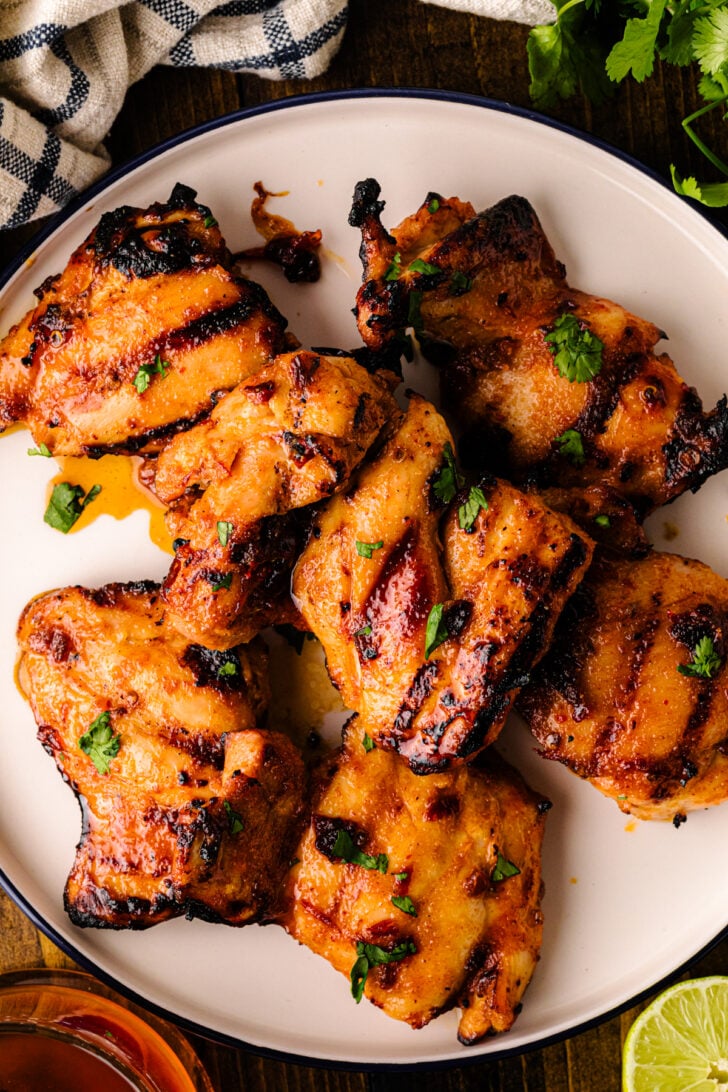
Grilled Balsamic Chicken Thighs
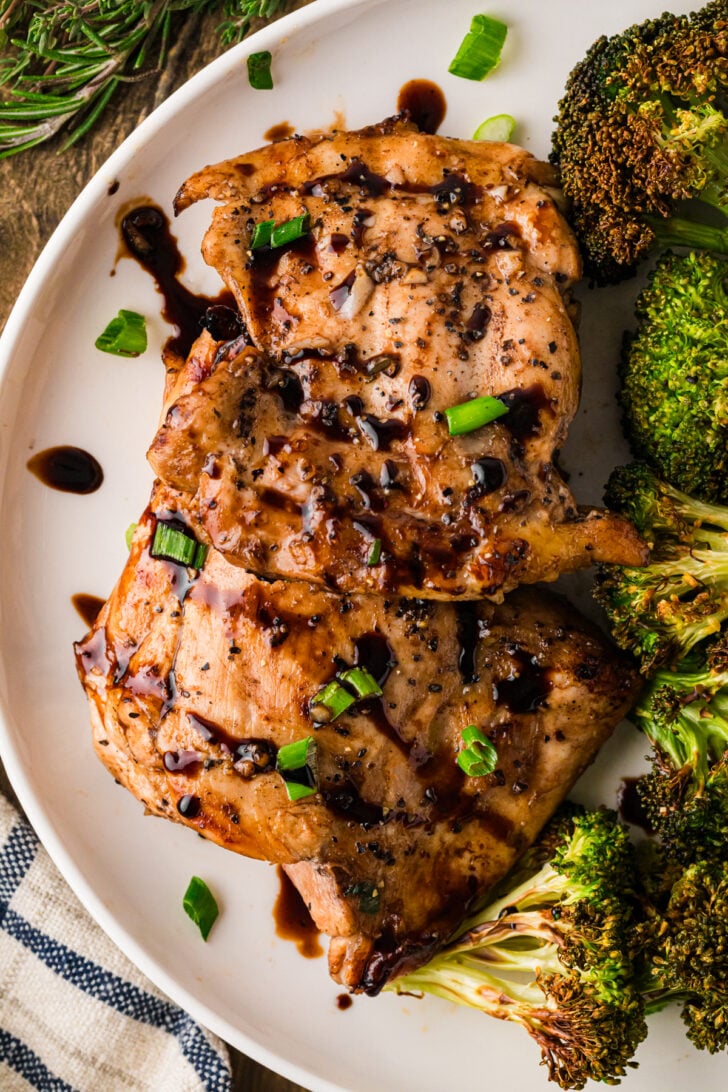
Chicken Skewers
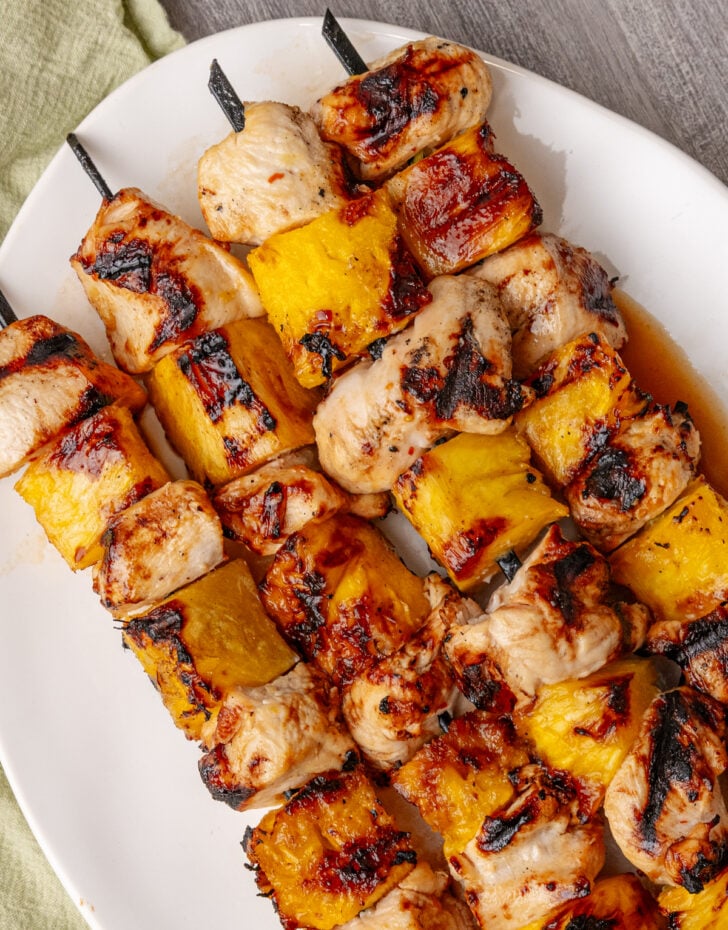
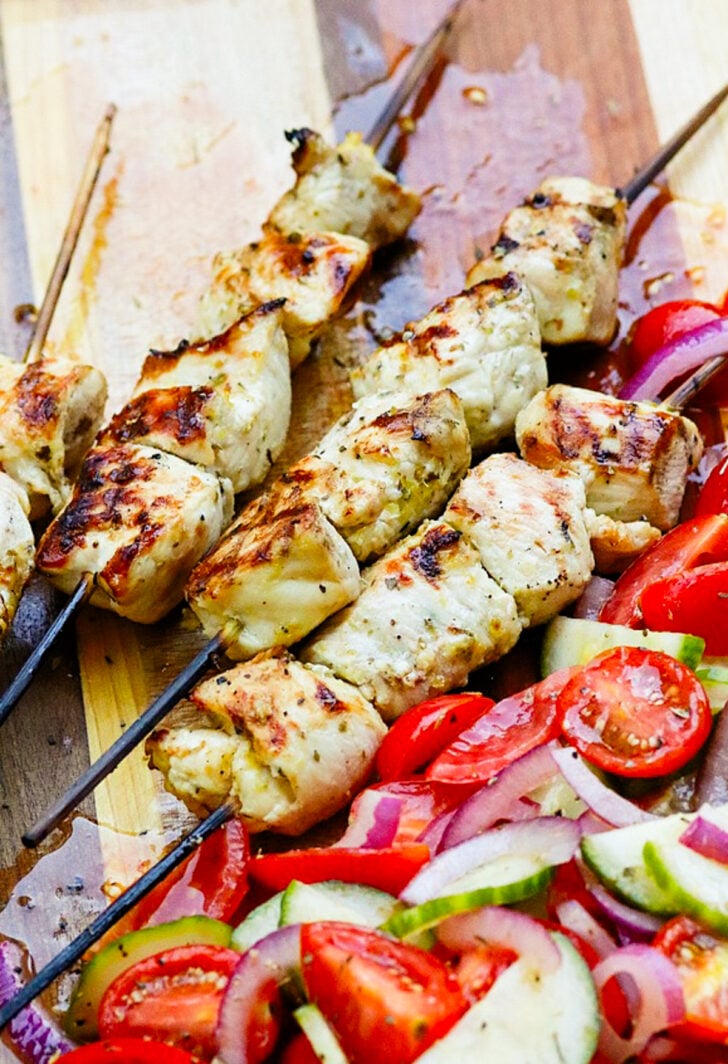
Cut uniform pieces, soak wooden skewers, thread evenly, and turn often. Skewers cook fast over medium-high heat — usually eight to ten minutes total. They are made for entertaining because everyone gets their own portion, and they look gorgeous on a platter. Use a marinade that doubles as a dipping sauce, and you are set.
Grilled Pineapple Chicken Skewers
Grilled Chicken Souvlaki Skewers
Make It Your Own
Go bold with a dry rub: Skip the marinade and coat the chicken in smoked paprika, garlic powder, onion powder, salt, and pepper. Works on every cut. Dinner in 20 minutes with a gorgeous crust.
Add a glaze in the last two minutes: Brush on balsamic reduction, honey mustard, or BBQ sauce right before grilling ends. The sugars caramelize into a sticky, glossy finish that looks and tastes restaurant-worthy.
Citrus swap: Not a lemon person? Try orange or lime in the marinade. Both add brightness without the sharp acidity. Great for skewers and thighs.
Make it a complete skewer meal: Thread chicken pieces with zucchini, red onion, bell pepper, and cherry tomatoes. Everything cooks at the same rate, and you have a full meal on a stick.
Double it for the week: Grill extra and you have protein ready for salads, wraps, pasta, or a quick plate with sides all week. One grill session does a lot of work.
Cast iron option: No outdoor grill? A cast-iron grill pan over medium-high heat on the stovetop gives you the same sear and grill marks on any cut. Same technique, same result.
Plan Ahead and Make It Easy
Grilled chicken is one of the most meal-prep-friendly proteins in my kitchen. Once you have this technique down, it becomes a habit.
•Pound and prep the night before: Flatten breasts, brine, and refrigerate overnight. Pull out of the fridge 20 minutes before grilling. Flavor and texture are even better after a longer rest.
•Marinate in the morning: Get the chicken into the marinade before you leave for the day. Two to three hours is the sweet spot. Set a reminder if using lemon — do not go past three hours.
•Grill a big batch on Sunday: Grilled chicken keeps in an airtight container for up to four days in the refrigerator. Make enough on Sunday and you have an easy week ahead.
•Freeze the extras: Cooled grilled chicken freezes well for up to three months. Wrap tightly, label, and thaw in the refrigerator overnight.
What to Serve With Grilled Chicken
For a summer cookout, this chicken is the anchor and everything else falls into place. I love it alongside Spaghetti Salad— cool, fresh pasta against warm, smoky chicken or Salad For A Crowd for a combination I come back to all season long. Cucumber and Onion Refrigerator Pickles or Southern Vinegar Slaw add a tangy crunch that cuts through the richness of the marinade beautifully.
For a full entertaining spread, throw Grilled Pineapple with Brown Sugar Butter Glaze on the grill while the chicken rests. Add a bowl of Green Bean Salad and a big platter of Deviled Egg Pasta Salad and you have a table that feels like summer.
If you tried this How To Grill Chicken guide or any other recipe, please leave a star rating and let me know how it went in the comments below. Thanks!

The Effortless Host eBook
Hosting doesn’t have to mean stress, long to-do lists, or staying stuck in the kitchen. The Effortless Host is your shortcut to pulling off beautiful gatherings with confidence and ease.

5 Days of Cozy Fall Southern Recipes
GET THIS FREE GUIDE: My best easy Southern recipes for a relaxing fall season.
